Your ideal choice for Sanger Sequencing
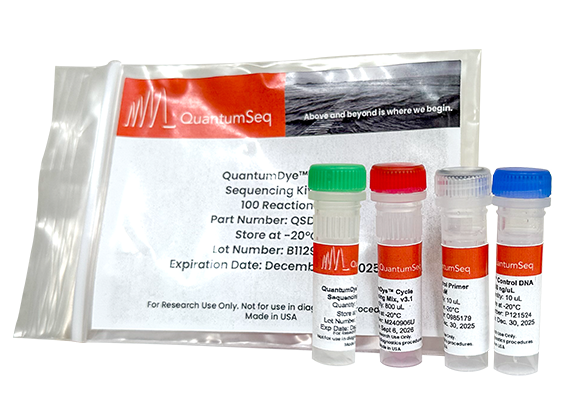
Suitable for a wide range of sequencing applications

Less volume required per reaction, enhancing productivity and cost-effectiveness

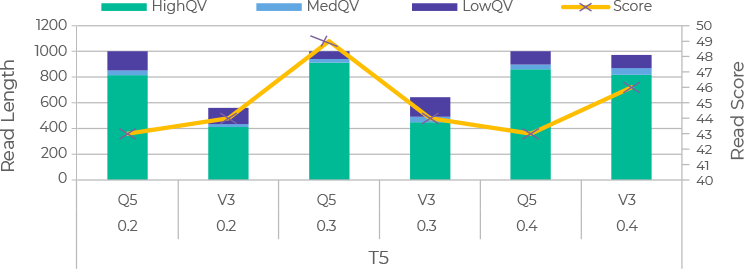
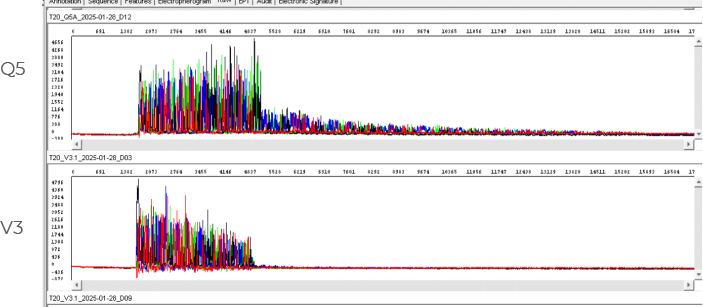
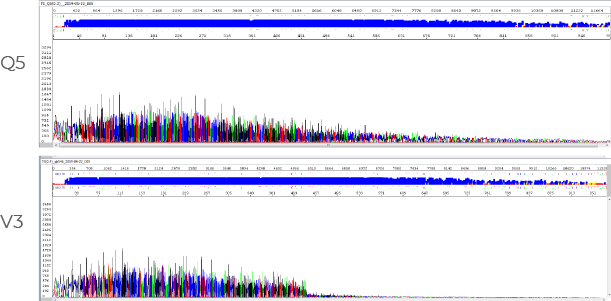
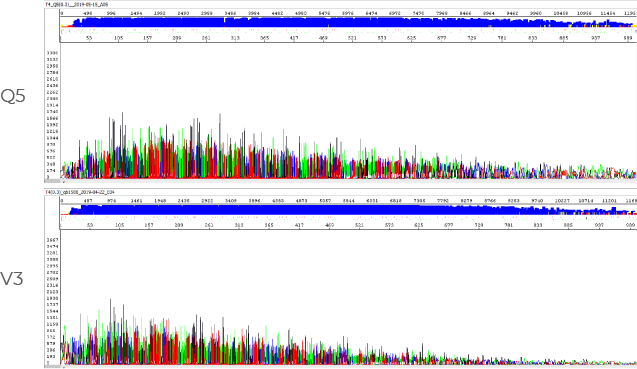
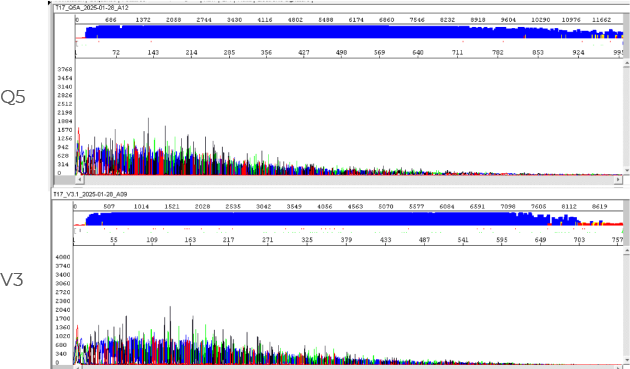
More uniform peak intensity with hairpin samples

Improved performance when reading through GC-rich regions

Compatible with a variety of instruments
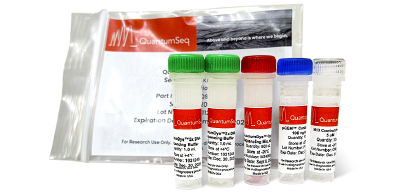
Store QuinDye Sequencing Mix, pGEM control DNA and M13 (-21) control primer at -30°C to -10°C, store QuinDye 5x Sequencing Buffer at 4°C.
Apply Now

| Product Name | Application |
| R-Spondin-1 | It plays a role in the self-renewal of stem cells and the activation of Wnt signaling. It can induce proliferation of intestinal crypt epithelial cells, promote intestinal epithelial healing, support the renewal of intestinal epithelial stem cells, and serves as a key factor for maintaining and proliferating organoid-derived progenitor stem cells. |
| Wnt-3a | Wnt signaling pathway participates in regulating cellular development, proliferation, differentiation, adhesion, polarity, cell-cell communication, survival, and self-renewal. Wnt3a is one of the fundamental culture factors for organoid formation. |
| EGF | Epithelial growth factor (EGF) binds to its receptor, inducing proliferative changes. EGF is a essential factor required for the culture of organoids in the gastrointestinal tract, liver, thyroid gland, brain, and other tissues. |
| GDNF | GDNF promotes dopaminergic neuron maturation and axonal growth in midbrain organoids, and drives enteroendocrine cell (EEC) differentiation via RET signaling in intestinal organoids. |
| FGF2 | They play a crucial role in mesodermal induction, limb development, neural induction, and neurodevelopment during early embryonic development. In mature tissues, FGFs are essential for angiogenesis, keratinocyte organization, and wound healing processes. Among them, FGF-basic and FGF-10 are commonly used factors in organoid culture. |
| FGF7 | |
| FGF10 | |
| VEGFA | An effective regulatory factor for angiogenesis in both fetuses and adults, which modulates the proliferation, migration, and survival of endothelial cells during embryonic development. It is utilized in the construction of vascular organoids. |
| TGFβ1 | TGF-β is a multifunctional cytokine capable of regulating cell proliferation, differentiation, migration, and extracellular matrix synthesis. In organoid culture, TGF-β is commonly employed to promote the differentiation of specific cell types, such as facilitating the maturation of hepatocytes in liver organoids. |
| LIF | The LIF protein induces terminal differentiation of leukemia cells, promotes differentiation of hematopoietic cells and neuronal cells, and stimulates acute-phase protein synthesis in hepatocytes. Its diverse biological activities highlight its role in regulating cell differentiation across various cell types and physiological environments. |
| SHH | The Sonic Hedgehog (SHH) is a member of the hedgehog gene family. SHH signaling plays a pivotal role in embryonic development, including lung formation, and is essential for pattern establishment during developmental processes. SHH transcription is regulated by a long-range regulatory mechanism comprising multiple enhancers. |
| Activin A | A multifunctional cytokine belonging to the transforming growth factor βsuperfamily. Activin A is a commonly used organoid-derived cytokine. |
| HGF | Acts as a mitogen for hepatocytes and can be utilized in liver organoid culture. |
Quintara’s high-precision AmpExp platform supports targeted genomic studies.
Discover more
Accelerate research with Quintara’s accurate, reliable Sanger Sequencing overnight.
Discover more
High-quality plasmid DNA with 100% full-sequence accuracy and guaranteed yield.
Discover more
sales.us@quintarabio.com
Quintara Biosciences © 2025 All Rights Reserved | Site Map | Terms of Use | Privacy Policy