Noggin is a secreted homodimeric glycoprotein that is an antagonist of bone morphogenetic proteins (BMPs). Human Noggin cDNA encodes a 232 amino acid (aa) precursor protein; cleavage of a 19 aa signal peptide generates the 213 aa mature protein which contains an N-terminal acidic region, a central basic heparin-binding segment and a C-terminal cysteine-knot structure. Secreted Noggin probably remains close to the cell surface due to its binding of heparin-containing proteoglycans. Noggin is very highly conserved among vertebrates, such that mature human Noggin shares 99%, 99%, 98%, 97% and 89% aa sequence identity with mouse, rat, bovine, equine and chicken Noggin, respectively. Noggin binds some BMPs such as BMP-4 with high affinity and others such as BMP-7 with lower affinity. It antagonizes BMP bioactivities by blocking epitopes on BMPs that are needed for binding to both type I and type II receptors. During embryogenesis, Noggin antagonizes specific BMPs at defined times, for example, during neural tube, somite and cardiomyocyte growth and patterning. During skeletal development, Noggin prevents chondrocyte hyperplasia, thus allowing proper formation of joints. Mutations within the cysteine-knot region of human Noggin are linked to multiple types of skeletal dysplasias that result in apical joint fusions. Noggin is expressed in defined areas of the adult central nervous system and peripheral tissues such as lung, skeletal muscle and skin.
Source: Human embryonic kidney cell, HEK293-derived human Noggin protein; Gln28-Cys232 (Accession #Q13253), Predicted N-terminus is Methionine
Synonyms | NOG; Noggin; SYM1; symphalangism 1 (proximal); synostoses (multiple) syndrome 1; SYNS1; SYNS1A |
Predicted Moleucular weight | 23.1 kDa (Monomer) |
Purity | > 95%, determined by SDS-PAGE |
Endotoxin Level | <0.010 EU/μg (LAL method) |
Activity | Measured by its ability to inhibit BMP4-induced alkaline phosphatase production by MC3T3E1 mouse preosteoblast cells. The EC50 for this effect is 5-40 ng/mL. |
Formulation | Dissolved in sterile PBS buffer. This solution can be diluted into other aqueous buffers. Centrifuge the vial prior to opening. |
Storage and Stability | 12 months from date of opening upon receipt, when stored at -20 to -70 °C as supplied, -20 to -70 °C as supplied. It is recommended that the protein be aliquoted for optimal storage. Avoid repeated freeze-thaw cycles. |
Shipping | Shipping with dry ice |
SDS-PAGE

Apply Now

Liquid protein formulations are supplied at a precisely defined concentration and are ready to use without the need for reconstitution. This eliminates variability associated with the reconstitution process, such as differences in technique, buffer selection, incomplete dissolution, or protein loss due to adsorption.
In addition, because liquid proteins are maintained in an optimized storage buffer throughout manufacturing and storage, they avoid the freeze-drying and rehydration steps required for lyophilized products. These processes can introduce physical stress that may affect protein structure and recovery. As a result, liquid formulations can provide more consistent protein performance, improved lot-to-lot reproducibility, and greater confidence in experimental results.
To preserve protein stability and biological activity, we recommend aliquoting the protein into sterile tubes based on your expected single-use volume upon receipt. Avoid repeated freeze-thaw cycles, as they may reduce protein activity.
For long-term storage, keep the protein at −80°C. In addition, avoid vigorous mixing or vortexing, as excessive mechanical agitation may compromise protein integrity and biological activity.
The biological activity of our recombinant Noggin is characterized by its EC50 (or ED50) value, which is determined using a standardized in-house reporter gene inhibition assay. This value is provided in the product specifications and reflects the potency of the specific production batch under defined experimental conditions.
It is important to note that there is no universal biological activity value applicable to all experimental settings. The apparent activity of Noggin is highly dependent on assay conditions, including the cell type used (e.g., human vs. mouse), the BMP isoform tested (such as BMP-2, BMP-4, or BMP-7), serum concentration, incubation time, and other experimental variables. Consequently, EC50 values may vary significantly across different assay systems.
For the most relevant performance information, we recommend referring to the EC50 (or ED50) value listed on the product datasheet and validating the prote
HEK293 (Human Embryonic Kidney 293) is a human-derived mammalian expression system capable of producing proteins with post-translational modifications that closely resemble those found in vivo. Compared with prokaryotic expression systems and non-human eukaryotic hosts, HEK293 cells provide more accurate protein folding, disulfide bond formation, and human-like glycosylation, resulting in proteins with structures and biological activities that are closer to their native forms.
Noggin is a secreted glycoprotein whose biological function depends on correct disulfide bond formation and glycosylation, both of which are essential for its high-affinity interaction with bone morphogenetic proteins (BMPs). By using the HEK293 expression system, we produce recombinant Noggin with native-like structural integrity and optimal biological activity, making it well suited for stem cell culture and other research applications.

We Go Fast, You Go Forward
 sales.us@quintarabio.com
 1-617-789-6111
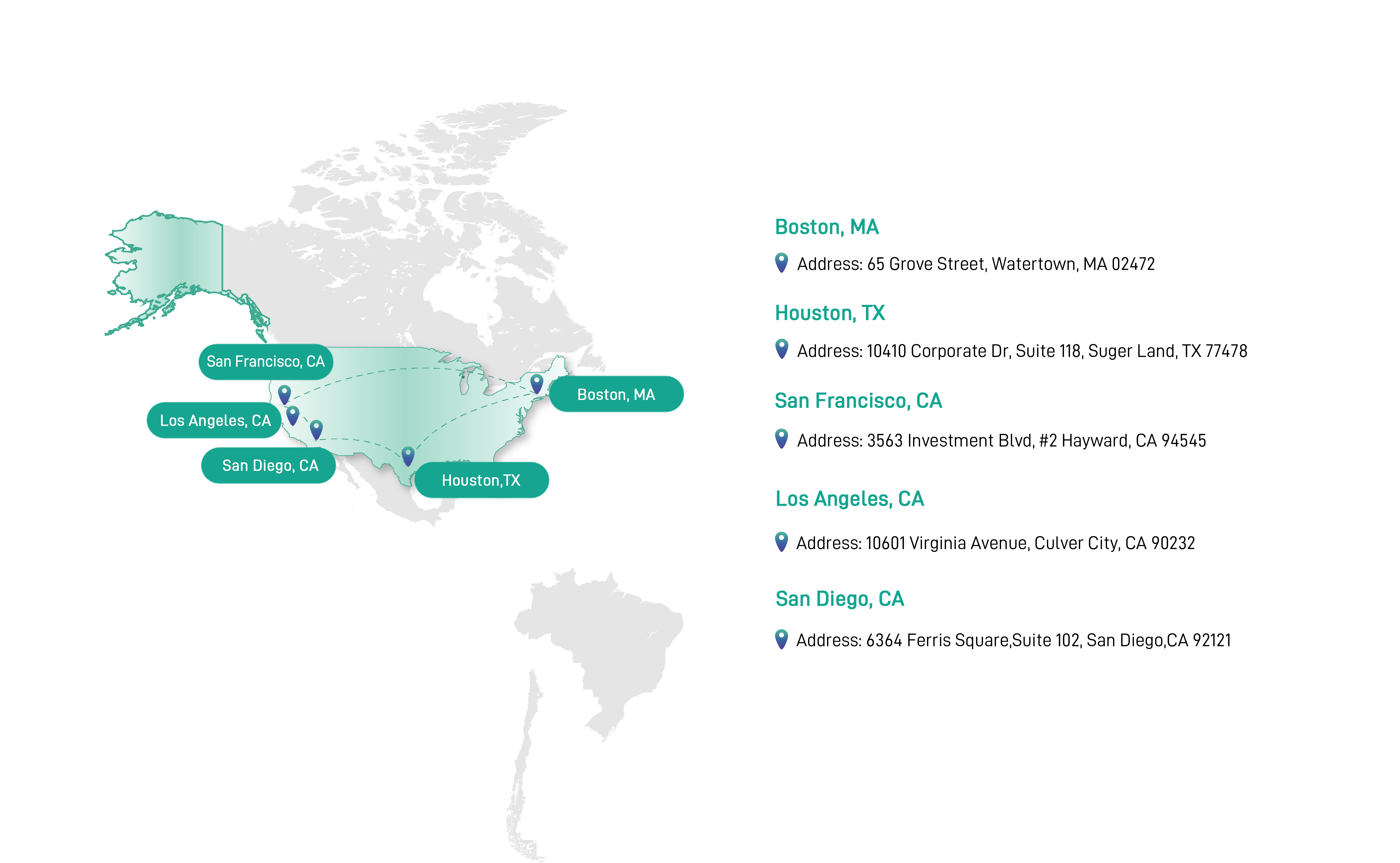
 3563 Investment Blvd, #2, Hayward, CA 94545sales.us@quintarabio.com1-617-789-611165 Grove St, Suite 102, Watertown, MA 02472sales.us@quintarabio.com1-617-789-611110410 Corporate Dr. Suite 118, Sugar Land, TX 77478
sales.us@quintarabio.com
1-424-549-091110601 Virginia Avenue, Culver City, CA 90232sales.us@quintarabio.com1-619-823-08956364 Ferris Square, Suite 102, San Diego, CA 92121Quintara Biosciences © 2025 All Rights Reserved | Site Map | Terms of Use | Privacy Policy


 Login
Login  Order
Order Contact Us
 Contact Us